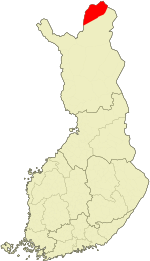
Utsjoki (Ohcejohka in north Sami), which is situated in the Province of Lapland, is the northernmost municipality in Finland.
The population density of Utsjoki is only 0.25 inhabitants/km2 so it is the third most sparsely populated municipality in Finland. Finland also being the most sparsely populated country in Europe, makes this area one of only a few true great wildernesses’s of Europe. There are more Reindeer’s here than people. It is the perfect place to get away from it all.
Prehistory

Sami family in the early 1900’s
The areas around Utsjoki have been inhabited since the final stages of the last Ice Age. The dwellings discovered at Vetsijärvi, some 30 km south-east of Utsjoki village, are dated at around 9,500 years ago. They are the oldest prehistoric dwelling places in Northern Lapland.
The inhabitants arrived at Vetsijärvi from the north, from the shores of the Arctic Ocean. People began migrating along the Norwegian coast to the Finnmark (Ruija) area immediately after the melting of the continental ice sheet. They were hunter-gatherers whose nutrition came from deer, salmon, seals and berries. Based on the artefacts and bones found, the people of Vetsijärvi at least hunted deer and most probably also fished in the fish-filled lake. The artefacts found have led researchers to believe that the area was not inhabited for long.
From hunting to reindeer husbandry
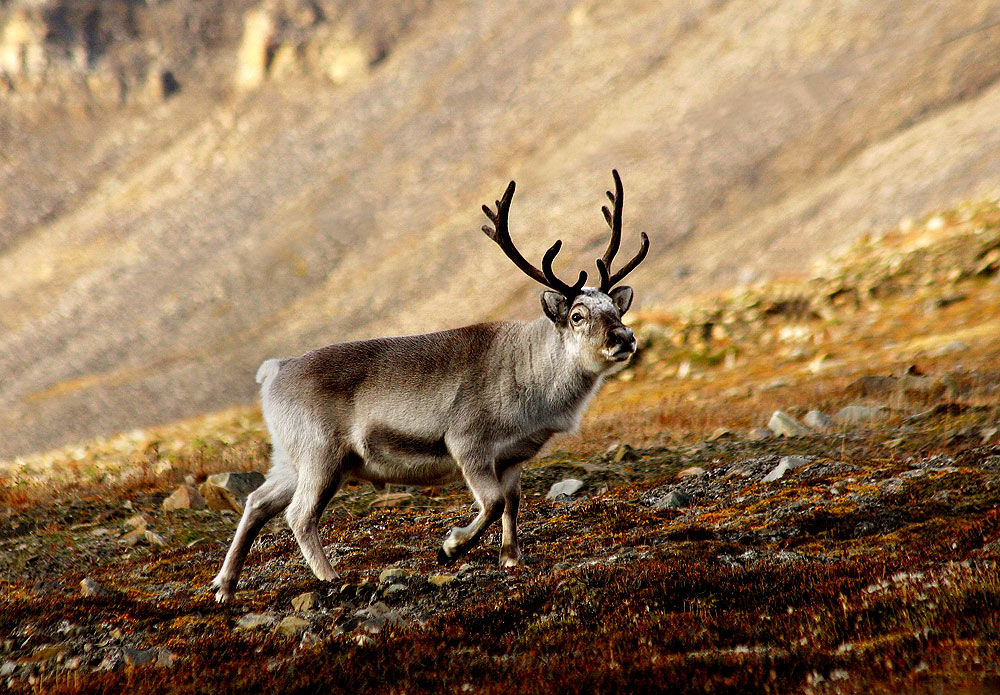
Deer were hunted using deer pits, which can still be found in the terrain. The pits were dug along the deer’s established routes. Digging and maintaining the multiple deer pits and the fair division of areas of use required organised co-operation among the area’s people and this was partly the reason behind the formation of the Sami villages, the siida. Two Sami villages, Deanu siida (Juovssasiida) and Ohcejohka (Utsjoki), covered practically all of the present Utsjoki Municipality, but they also extended far across the River Tenojoki.
Over time people learned how to domesticate deer into reindeer. Reindeer were first used simply as draught and pack animals and as decoy animals when hunting deer. Dwellings were still light-weight and people changed their dwelling places according to what their main source of livelihood was, be it fishing, deer hunting or something else.
The development of means of livelihood, especially the slow shift from deer hunting to large-scale reindeer husbandry in the 17th century, also changed the nature of the Sami villages to such an extent that it could described as a societal breaking point.
An important part of Reindeer Sami culture was the migration between summer and winter pastures, called “jutaaminen”. The River Tenojoki, the agreed border between Finland and Norway, was just another feature of the landscape when people took their reindeer herds to graze on the shores of the Arctic Ocean in summer. The significance of the national border only became concrete to people in 1852 when the border with Norway was closed following an agreement. This prevented the use of traditional herding routes and as a result people moved from Utsjoki to Sodankylä where there was enough pasture and the local Sami people had already been integrated into the Finnish population.
Towards today
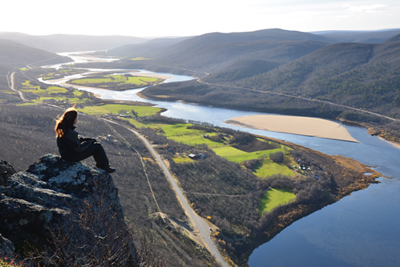
Both sides of the River Tenojoki have been inhabited for a long time and interaction has always been active and significant. A few years ago Utsjoki’s electricity was still provided by Norway, but today all of the residential houses in Utsjoki are connected to the Finnish national electric grid.
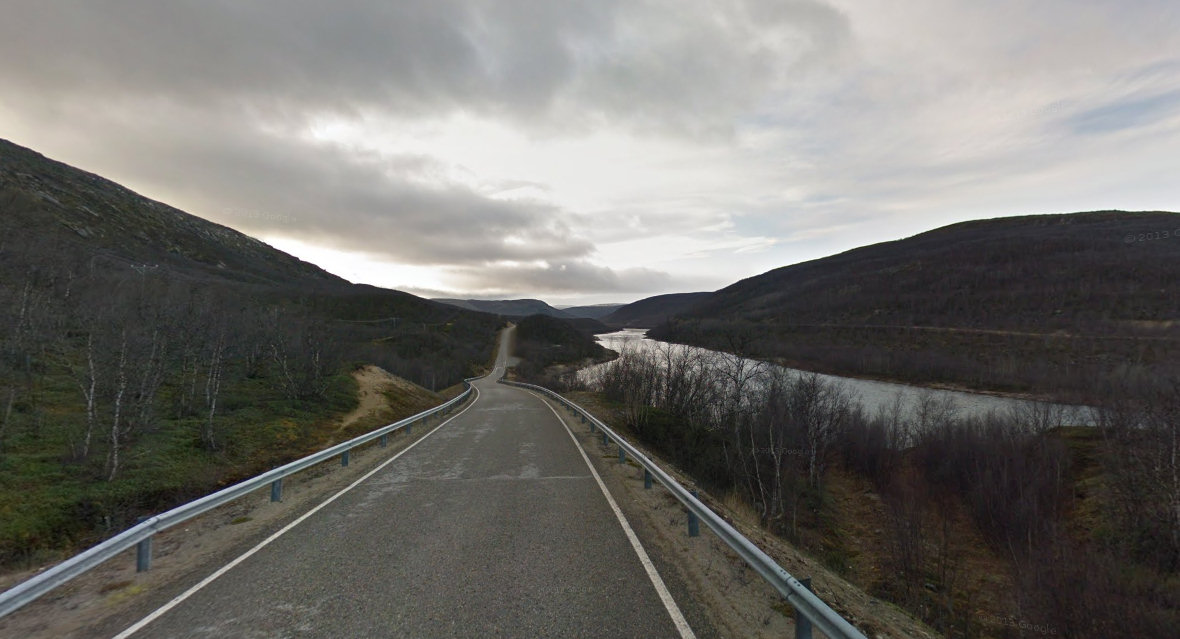
The highway to Utsjoki was only completed in 1959. The construction of a land road had already been begun in the 1920s, but only a short portion was completed at the time, from Kaamanen to Syysjärvi. The highway between Utsjoki and Karigasniemi, considered the most beautiful stretch of road in Finland, was completed in 1983.
Most of the people live by the River Teno that marks the border between Finland and Norway. The villages of the municipality are Nuorgam, Utsjoki main village, Nuvvus, Dalvadas, Outakoski, Rovisuvanto, Karigasniemi and Kaamasmukka.
Unique Nature
 The nature at Utsjoki is really unique. The steep-sloped Utsjoki Valley is considered one of Finland’s national landscapes, and the scenery continues to be as mighty and impressive alongside the River Teno.
Many of the plants and animals in Utsjoki are at the limit of their range, and some of them have developed into regional subspecies of their own.
There are about a hundred nesting bird species in Utsjoki, many of them arctic ones. If you are lucky you can catch a glimpse of a golden eagle or gyrfalcon, for example.
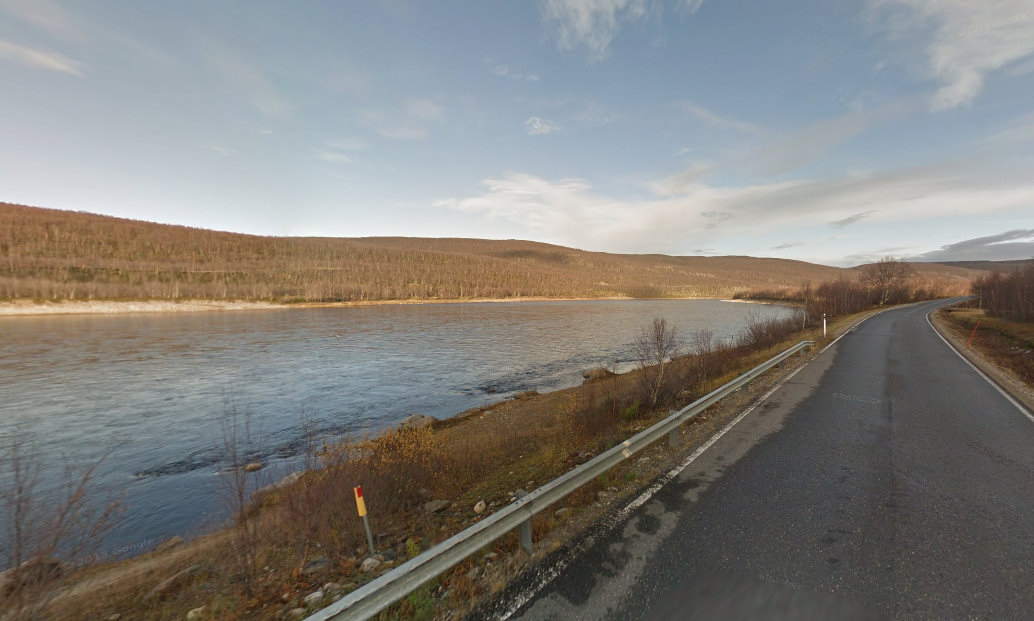
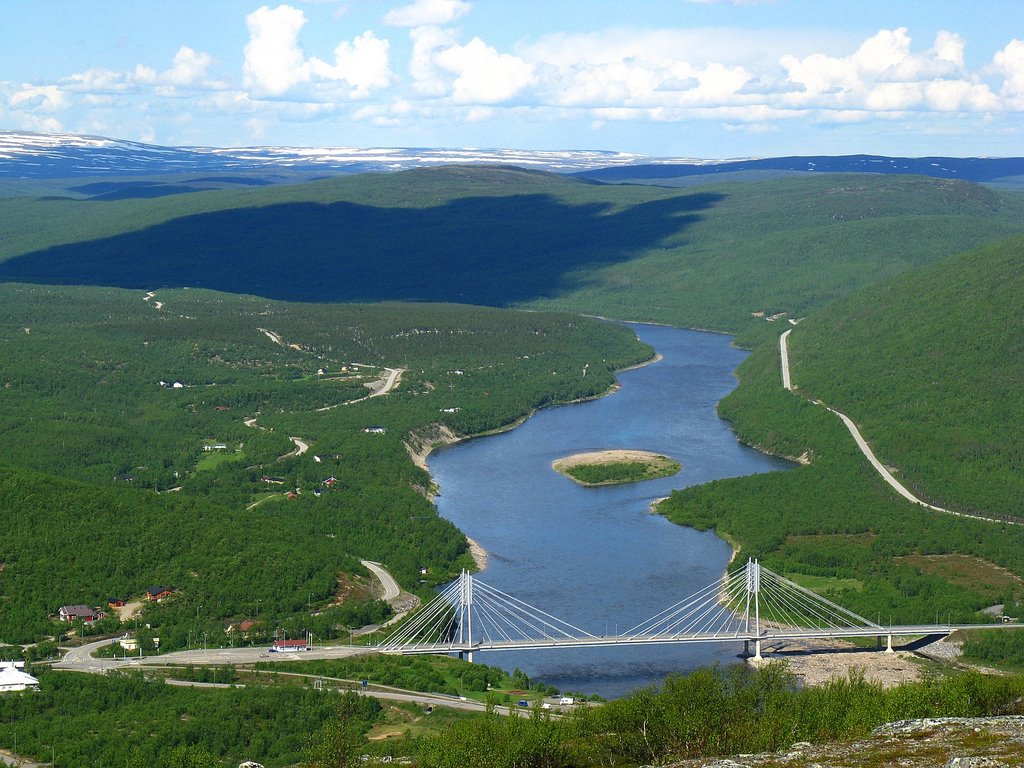
Utsjoki Village. One side of the bridge is Finland, the other side is Finnmark, Norway.
The Sami
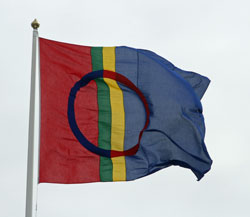
The genuine, living Sami culture can be seen in the municipality every day. The cultural and social traditions of the Sami, which stem from their unique historical stages, add a fine element to everyday life in Utsjoki.
Did you know…
- The northern most land border crossing in the world is in Utsjoki
- The village of Nuorgam in Utsjoki is the most northern town in the EU
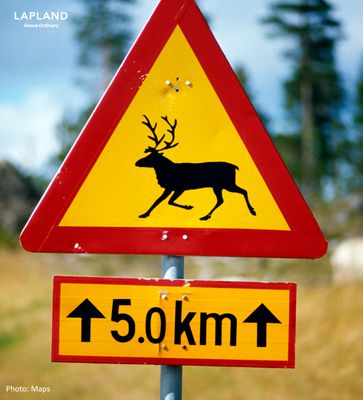
- There are more Reindeers here than people



 The dedicated northern lights holiday in Finland was conceived by us. We are the original!